The story
Named for the journey
The name is a centuries-old case of mistaken identity. The turquoise that medieval Europe prized came chiefly from Persia, from the mines near Nishapur, which have produced the majority of Iranian turquoise for more than a millennium and still set the reference for the even, robin’s-egg blue against which all other turquoise is judged. But the stone travelled west through Anatolia, and Venetian merchants bought it in Turkish bazaars. So the French named it for the last hands it passed through: pierre turquoise, the Turkish stone.
Persia called the stone pirouzeh: victory. Turkey was the waypoint, not the source, yet the name it lent has outlasted every empire on the route: turquesa, Türkis, turkos, nearly every language that borrowed the French carries Turkey in the word.
HAS was founded by a Turk, which makes this the house’s signature stone: a stone defined less by where it was born than by the journey it made. Fitting, then, that the piece is cut from Arizonan turquoise and still answers to a French word for Turkey.
In watchmakingPiaget cut turquoise among its hardstone dials from 1963 alongside lapis, jade and onyx; Cartier has set turquoise into the stone-mosaic dial of the Baignoire, alongside mother-of-pearl and onyx. In the 1970s, Rolex dealers could special-order Day-Date and Datejust dials in turquoise stone, and Rolex returned to the material in 2023 with a white-gold Day-Date 36 carrying a naturally veined turquoise dial.
A note on the name
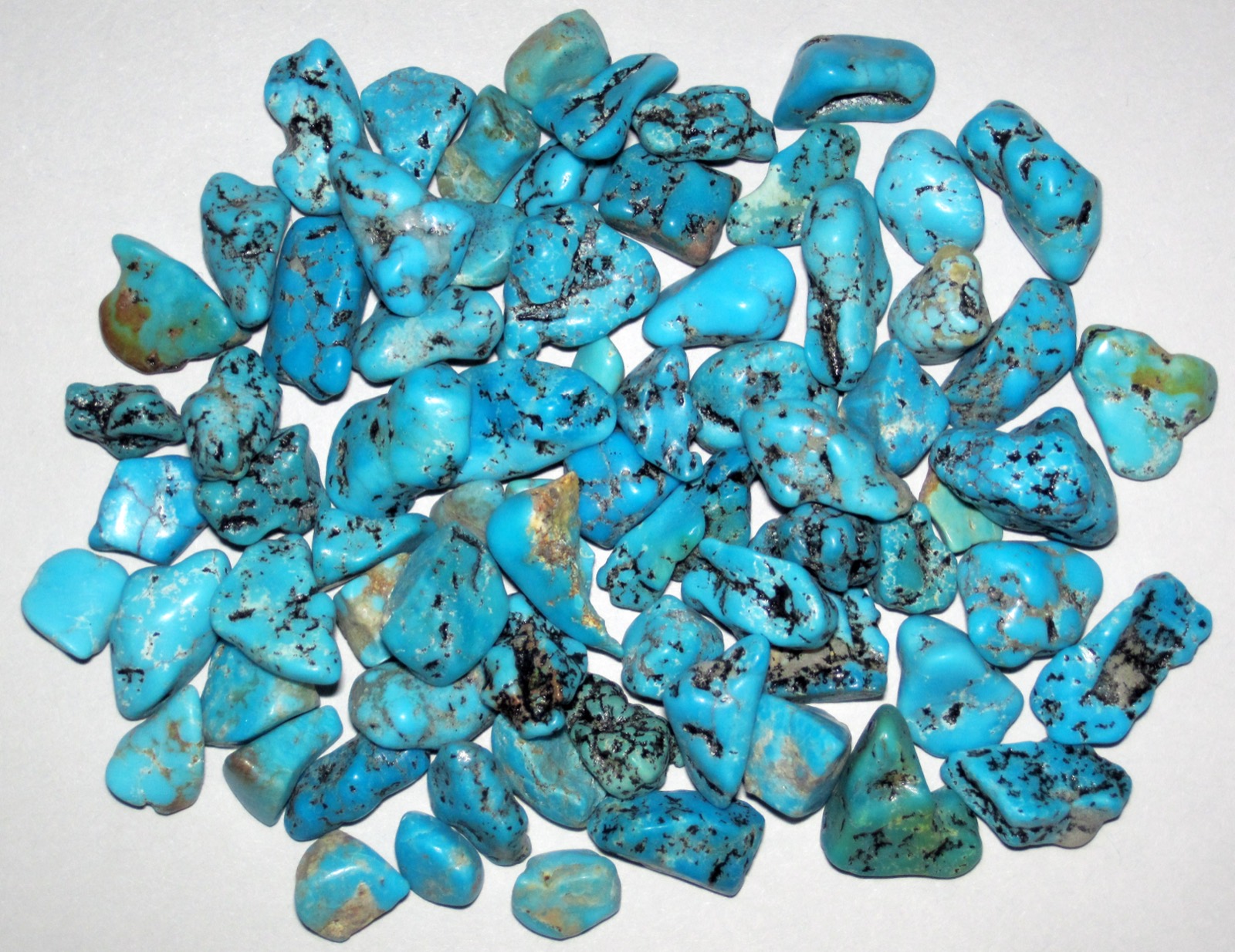
This piece was first listed as Nishapur, after the Iranian district that gave turquoise its reputation. The stone is not Iranian. It is Kingman turquoise, mined in Arizona, and the piece has been renamed accordingly. Where we name a place, that place is where the material came out of the ground. We could document an Arizonan mine and could not document an Iranian one, and that is the whole of it. Nishapur keeps its part of this page, which is the history, not the invoice. United States sanctions law also bars goods of Iranian origin from entering the country, which would matter to any American owner; our turquoise is Arizonan, so the question does not arise.
A note on the stone
The turquoise is impregnated with a clear polymer resin, the process the trade calls stabilisation. It hardens porous material and holds the colour, and most turquoise sold anywhere in the world is treated this way. It needs care all the same: keep it away from solvents, oils, perfume and heat, and never let it near an ultrasonic bath.