The story
The giant that waited
The block that became the David was quarried at Fantiscritti, above Carrara, and acquired for Florence Cathedral in 1465, the same basins the Romans had worked fifteen centuries earlier, shipping their marmor lunense south to face the monuments of Rome. The block was unlucky. Agostino di Duccio roughed out a torso and legs, then stopped. Antonio Rossellino took the commission in 1476 and lost it.
For the next quarter century the block lay in the cathedral workyard, exposed to the weather, known around Florence simply as il gigante: the giant. In August 1501, a twenty-six-year-old Michelangelo signed the contract to finish what two sculptors had abandoned. He worked the stone for three years; the David was unveiled on 8 September 1504.
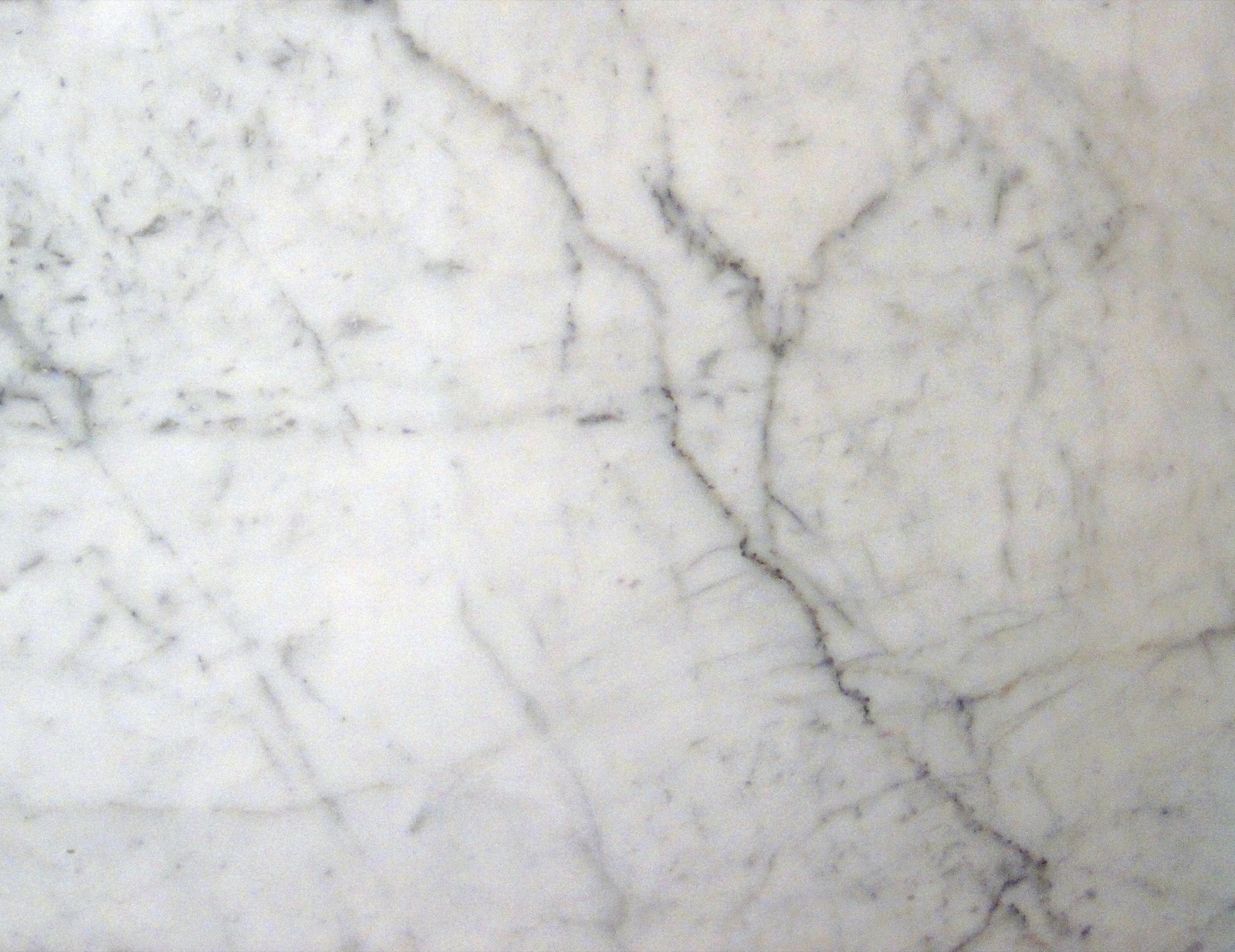
That is the character of the material: limestone remade under pressure, in no hurry at all. The marble on a HAS dial is a slice of the same stone, cut to well under a millimetre and asked to do quieter work.
In watchmakingRolex fitted genuine marble dials to precious-metal Day-Date and Datejust models in the 1980s and 1990s, the white marble Day-Date ref. 18238 with applied gold Roman numerals is a documented, collected example. The dials are very thin slabs of natural stone, which is why surviving examples are scarce.