The story
The stone that signed
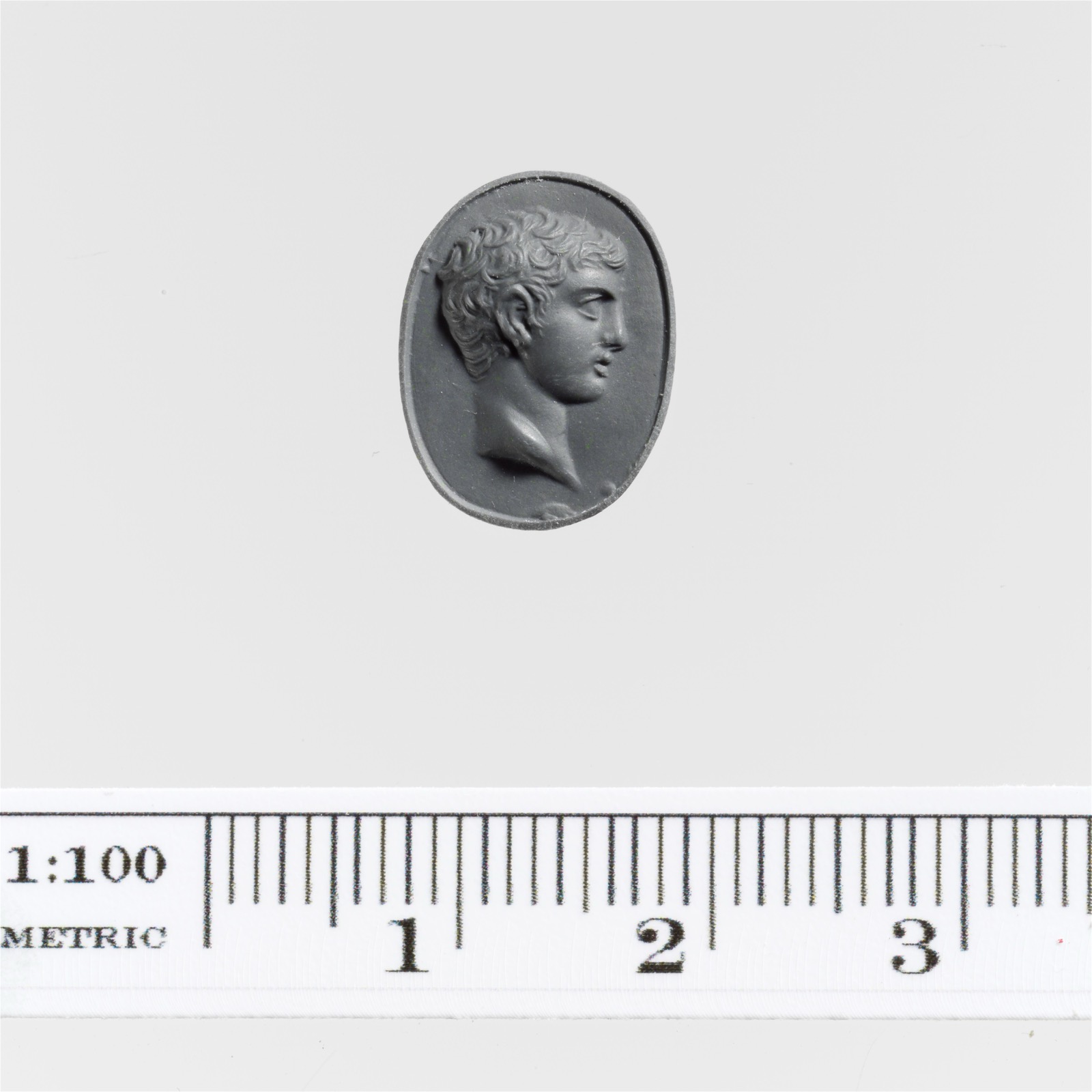
Antiquity ran on wax and stone. A Roman letter was closed with a bead of hot wax and the press of a ring, and the stone in the ring, more often than any other, was carnelian. The preference was practical before it was anything else: sealing wax releases cleanly from polished carnelian. The seal lifted away crisp, and a carved oval of translucent red became a person’s working signature. Engravers cut each device in reverse so the wax would read true; the Metropolitan Museum keeps drawers of these ring stones, Greek and Roman, their portraits still sharp.
The habit proved durable. During the Egyptian campaign, Napoleon acquired an octagonal carnelian seal cut with an old inscription; Napoleon III prized it after him, and the Prince Imperial wore it until his death in 1879.
For centuries, carnelian was the stone of authorship, the material a hand reached for when something had to be signed. A dial is a quieter form of the same idea: a small red field, cut thin, marking time instead of consent.
In watchmakingIn 2024 Cartier gave the platinum Santos-Dumont Rewind, a 200-piece edition whose hands run counter-clockwise, a genuine carnelian stone dial. Van Cleef & Arpels works carnelian throughout its Alhambra line, and the stone belongs to the ornamental-dial tradition Piaget opened in the 1960s.