The story
Inca rose
At Capillitas, a mining district roughly 3,000 metres up in the Andes of Argentina’s Catamarca Province, the digging is older than the country: the Inca worked these mountains before the Spanish came for copper. The pink stone in the veins was long treated as incidental.
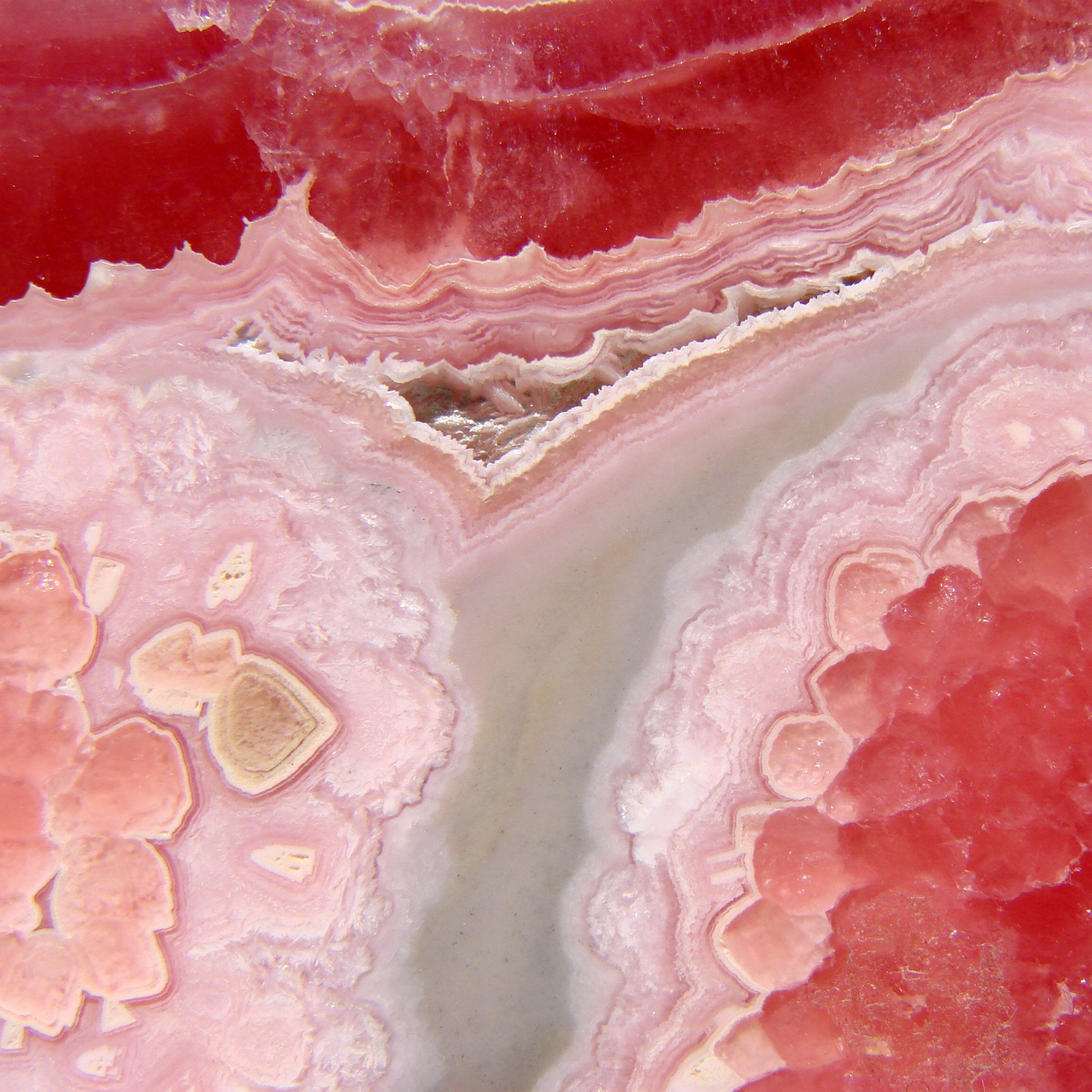
Then, in the 1930s, miners blasted into a small cavity hung with rhodochrosite stalactites. Sliced across, each one revealed concentric rings of rose and cream, bands laid down by mineral-rich water over geological time, the way a tree records its seasons. The cross-sections found their way to lapidaries in Buenos Aires, whose jewellers gave the material its name: rosa del Inca, the Inca rose. Colorado, whose Sweet Home Mine produced the finest crystallised specimens ever recovered, adopted rhodochrosite as its state mineral in 2002.
A dial cut from the banded material keeps those rings intact, geological time told in circles, on an instrument built for telling hours.
In watchmakingGenuinely scarce on dials: its softness and perfect cleavage kept it off the production stone-dial rosters. Its pedigree is high-jewellery horology, a 1926 Vacheron & Constantin desk clock with case by Verger Frères set rhodochrosite beside onyx and jade, which is precisely why it belongs in an edition of ten.